Key Takeaways
Thinking about studying in New Zealand but feeling stuck between rules and visas? This blog cuts through the confusion and answers the questions every international student secretly worries about, from work rights to family options and what happens after graduation. You won’t just find information here, you’ll find clarity. If you’re looking for real direction instead of mixed advice, this is where it starts. Keep reading to see how your study plans can turn into real opportunities.
Introduction
Are you dreaming of studying where world-class education meets breathtaking natural beauty? New Zealand offers a unique combination of innovative universities, a welcoming culture, and a lifestyle that is hard to beat. It is a place where you can gain a globally recognised degree while exploring stunning landscapes, from snowy mountains to golden beaches.
But before you can start this incredible adventure, you need to navigate one crucial step: securing your student visa. The process might seem complex at first glance, but it doesn’t have to be stressful. By breaking it down into manageable pieces, you can approach your application with confidence. This guide covers every stage of the process, from your initial application to understanding your opportunities after graduation.
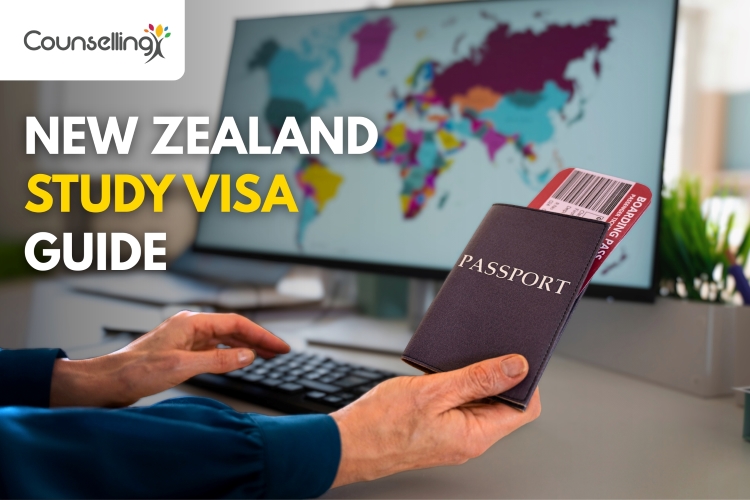
How to Apply for a Study Visa in New Zealand?
Getting your New Zealand student visa is a systematic process. By following these steps carefully, you ensure your application is strong, complete, and submitted on time.
1. Get an Offer Letter from a University in New Zealand
Your journey begins with academic acceptance. You cannot apply for a visa until you have a confirmed spot at a school.
- Secure acceptance: You must be accepted into a program approved by the New Zealand Qualifications Authority (NZQA).
- Verify the institution: Eligible schools include universities, polytechnics, institutes of technology, and registered private training establishments.
- Get the official letter: Once accepted, you will receive an official "Offer of Place." Include this in your visa application.
2. Prepare Your Documents
Gathering the right paperwork is critical. Missing or incorrect documents are the most common reason for visa delays, so pay close attention to this checklist.
- Offer of Place: Your official confirmation of enrollment from the NZQA-approved institution.
- Proof of Funds: You must prove you can support yourself. Currently, this requires you to show that you can afford NZ $20,000 per year (or NZ $1,667 per month) for living costs.
- Tuition Evidence: A receipt showing you have paid your tuition fees, or an official letter confirming a scholarship or student loan.
- Medical Certificates: Depending on your country of origin and length of stay, you may need a chest X-ray and a general medical certificate to prove good health.
- Police Certificate: A police clearance certificate to prove you are of good character. It is usually required if you are studying for more than 24 months.
- English Proficiency: Test results (like IELTS, TOEFL, or PTE) that meet the academic requirements of your course.
3. Submit the Online Application
Once your documents are scanned and ready, you will submit your application digitally through Immigration New Zealand (INZ).
- Create a RealMe account: This is the secure login used for New Zealand government services.
- Complete the form: Fill out the student visa application accurately. Any discrepancies can lead to rejection.
- Upload documents: Attach the PDF scans of the documents you prepared in Step 2.
- Double-check: Review every section before hitting "submit" to ensure no details were missed.
4. Pay the Visa Application Fee
You must pay an administrative fee to process your application.
- Pay via credit/debit card: The fee is paid directly through the online portal at the time of submission.
- Know the cost: Fees vary by nationality and location, but generally cost around NZ $750.
- Covers the levy: This payment usually includes an immigration levy and the processing charge.
- Non-refundable: Remember that this fee is for the processing of the application; you do not get it back if the visa is declined.
5. Complete Biometrics & Health Checks
After you submit your online application, Immigration New Zealand may require physical evidence of your identity and health.
- Wait for instructions: INZ will notify you if you need to provide biometrics (fingerprints and a photo).
- Visit a VAC: If requested, you must visit a Visa Application Centre (VAC) in your home country to submit biometrics.
It is important to visit a panel physician for your medical exam, as your regular doctor cannot do this. The doctor will usually send your medical results directly to Immigration New Zealand electronically.
6. Wait for Processing & Decision
This is the waiting game. While it can be nerve-wracking, knowing what to expect helps.
- Standard timelines: Processing typically takes 4 to 6 weeks, but can take longer during peak student intake seasons (Dec-Jan).
- Monitor your email: INZ may contact you for additional information or clarification. Respond immediately to avoid delays.
- Check online: You can log in to your account to check the status of your application.
It is highly recommended that you do not buy non-refundable flight tickets until your visa is formally approved.
7. Receive Your Visa & Prepare for Travel
Once your application is approved, you are in the final stretch.
- Download your eVisa: New Zealand issues electronic visas. You should print a copy and keep it with your passport.
- Check the conditions: Read your visa carefully. It will state how many hours you can work and when your visa expires.
- Arrange logistics: Book your flights and secure your accommodation in New Zealand.
Common Challenges & How to Overcome Them
The process is generally straightforward, but students often face a few common hurdles. Here is how to navigate them quickly.
|
Challenge |
Quick Solution |
|
Insufficient Funds |
Ensure bank statements are recent (last 6 months) and verifiable. If using a sponsor/parent, provide a financial undertaking form. Avoid large, unexplained recent deposits. |
|
Incorrect Documents |
Use the official INZ checklist before starting. Ensure scans are high-quality colour copies, not blurry photos taken with a phone. |
|
Processing Delays |
Apply early! Ideally, you should plan 3 to 4 months before your course starts. This gives you a buffer for any unexpected requests from immigration. |
|
Health Issues |
If you have a known medical condition, provide a specialist report alongside your standard medical exam to save time on referrals. |
Post-Study Pathways in New Zealand
One of the most attractive aspects of studying in New Zealand is the ability to stay after graduation. The country values the skills international students bring.
Post-Study Work Visa
Depending on your qualification, you may be eligible for a Post-Study Work Visa. This allows you to work for any employer in New Zealand and gain valuable international experience.
- Duration: Valid for 1, 2, or 3 years, depending on the level of your qualification (e.g., Bachelor’s vs Master’s).
- Flexibility: You can work in almost any job, though it ideally relates to your studies.
Pathway to Residency
Many students use their PSWV time to gain skilled employment. If your job appears on New Zealand’s Green List (a list of hard-to-fill roles like engineering, health, and IT), you may have a streamlined pathway to permanent residency.
Conclusion
A degree from New Zealand is more than just a degree; it is a launchpad for a global career and personal growth. The visa process is simply the first step toward that future. With careful preparation, organised documentation, and a clear understanding of the rules, you can make your dream of studying in this incredible country a reality.
Start gathering your documents today, and before you know it, you’ll be landing in Aotearoa. If the paperwork feels overwhelming or you want to ensure your application is perfect the first time, you don't have to do it alone. CounsellingX connects students with expert mentors and expert counsellors who can guide you through admission and visa complexities, making your transition to New Zealand as smooth as possible.
FAQ
Can I work while studying in New Zealand?
Most international students can work up to 20 hours per week during the semester and full-time during scheduled holidays. Work rights depend on your course and visa conditions. Master’s by Research and PhD students usually have no work-hour limits. Always check your visa for exact work conditions.
Can I bring my partner or family?
This depends on the level and type of qualification you are studying. Students enrolled in Level 9 Master’s or Level 10 PhD programmes may be eligible to bring their partner on a work visa. Some Level 7 or 8 Green List qualifications also qualify. Dependent children may be eligible for visas and schooling requirements. Visa rules can change, so professional advice is recommended.
What happens if my visa is declined?
Immigration New Zealand will issue a letter explaining the reason for the visa decline. You can reapply after addressing the issues mentioned in the refusal letter. A new visa application fee will be required for resubmission. Common issues include financial evidence or incomplete documentation. Seeking counselling or professional advice before re-applying can improve your chances.
Do I need health insurance?
Yes, health and travel insurance are mandatory for all international students in New Zealand. The insurance must cover medical treatment, emergencies, and repatriation. Coverage must be valid for the entire duration of your stay. Many education providers offer approved insurance plans. Institutions can help you arrange suitable coverage.
Is accommodation provided by the university?
Many institutions offer student accommodation such as halls of residence or homestays. Availability may be limited, and early application is advised. Students can also choose private rentals or shared housing. Accommodation costs vary by location. Support services are available to help you find housing.
What is the cost of living in New Zealand?
Living costs vary depending on the city and lifestyle. Expenses include accommodation, food, transport, and utilities. Major cities are generally more expensive than smaller towns. Immigration New Zealand sets a minimum living-cost requirement. Budgeting is important to manage expenses.